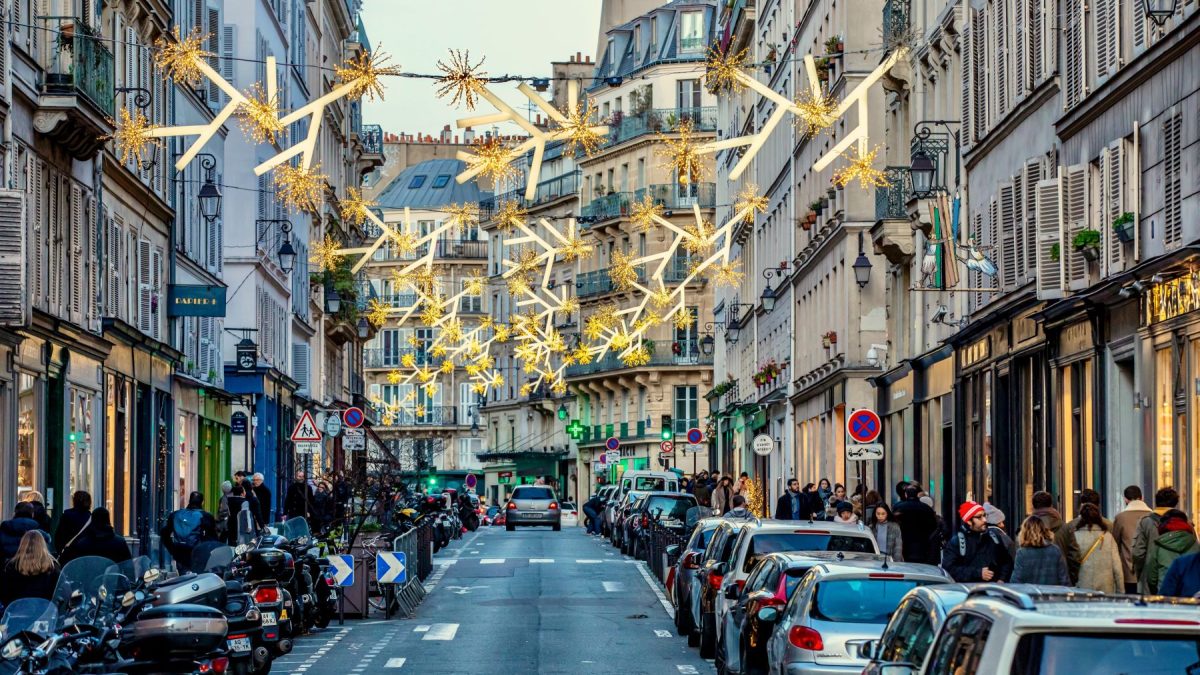
Paris has always carried an image of elegance, art, and cultivated pleasure, yet the reality many travelers encounter is noise, queues, and the constant choreography of mass tourism. True luxury in the French capital reveals itself elsewhere – not in excess, but in access. It exists in silence where there is usually commotion, in empty galleries where footsteps echo, and in moments when the city feels as though it has briefly paused just for you.
You begin to understand this shift the moment you rethink where and how you stay. When you choose a luxury apartment rental Paris instead of a grand hotel on a busy boulevard, you begin differently. Instead of navigating hotel lobbies filled with rolling suitcases, you wake slowly to filtered morning light through tall Haussmann windows, coffee brewing in a quiet kitchen while the street below is only just coming alive. The city stops feeling like a destination and starts behaving like a private residence you happen to inhabit.
When Museums Belong Only to You
Most visitors experience Parisian museums as endurance tests. Long lines curl around glass pyramids, crowded halls force you to glimpse masterpieces between raised phones, and the pace becomes dictated by the flow of strangers. Yet Paris offers another possibility – one few travelers realize exists.
Private after-hours visits transform institutions like the Louvre Museum into something almost sacred. Walking through the galleries once the doors close to the public alters your perception entirely. Without the crowd, scale becomes visible again. Paintings breathe. You notice brushstrokes rather than barriers. Standing alone before the Mona Lisa is less about ticking off an icon and more about experiencing an intimate encounter with history.
The same transformation happens inside the Musée d’Orsay. At night, the former railway station feels cinematic. Light pools beneath the great clock windows, and Impressionist works seem softer, more personal. A private guide speaks quietly, adjusting the pace to your curiosity rather than a timetable. You linger because you can, not because you must move along. Luxury here isn’t exclusivity for its own sake; it is the restoration of attention. You finally see what millions travel to Paris hoping to feel.
The Seine After Midnight
During the day, the Seine is a moving postcard crowded with sightseeing boats and commentary echoing across the water. At night, however, the river belongs to another Paris entirely – one defined by reflection, shadow, and calm.
A private yacht cruise changes your relationship with the city’s geography. As you glide beneath illuminated bridges, the familiar landmarks appear softened and distant, freed from the urgency of daytime tourism. The Eiffel Tower sparkles without applause from crowds, and the façades along the river resemble theatre scenery designed solely for your passage.
You notice small details: the quiet clink of glasses, the slow rhythm of water against the hull, conversations that stretch without interruption. Time expands. The city stops performing and simply exists alongside you. This is where Paris feels most luxurious – not louder or grander, but quieter.
Versailles Without the Spectacle
Few places embody grandeur like the Palace of Versailles, yet daytime visits often feel paradoxical. You move shoulder to shoulder through rooms designed to impress with scale and ceremony, unable to step back far enough to absorb them.
Private access to restricted or closed sections reveals an entirely different Versailles. Entering lesser-known apartments or walking through gardens at dawn removes the theatrical chaos. Without the crowds, symmetry becomes visible, and silence allows imagination to fill the rooms again. You begin to picture court life not as spectacle but as lived experience – footsteps on parquet floors, whispered conversations behind gilded doors. Luxury here means proximity to history without competition for space. You are not rushing through Versailles; Versailles unfolds around you.
Designing Days Around Absence
The secret to experiencing Paris luxuriously is not simply booking expensive experiences. It is learning to design your day around absence – fewer people, fewer schedules, fewer interruptions.
You start mornings early, when bakeries open and locals reclaim their neighborhoods. You choose late dinners when dining rooms grow calmer and conversations deepen. You visit gardens during changing light rather than peak hours, discovering how dramatically atmosphere shifts between afternoon bustle and evening stillness. Paris rewards patience. The more you slow down, the more the city reveals hidden layers usually masked by urgency.
Luxury as Space, Silence, and Ownership of Time
Eventually, you realize luxury travel in Paris is less about privilege and more about perspective. Space becomes the rarest commodity. Silence becomes the ultimate indulgence. Time becomes something you shape instead of chase.
When you walk alone through a museum after closing, drift along the Seine under a nearly empty sky, or stand in Versailles without the noise of thousands, you experience something profoundly personal. The city stops being shared spectacle and becomes a private dialogue between you and place. And that is the paradox of Paris: the deeper you step away from the crowds, the closer you come to the essence everyone else is trying to find.