
Introduction
Somewhere along the way, seafood got a reputation for being difficult. The concern usually comes down to a few things: overcooking it, not knowing what done looks like, or worrying that without the right equipment or sourcing it just will not turn out right.
Most of that hesitation is misplaced. Seafood is actually one of the more forgiving proteins once you understand a few fundamentals, mainly that it cooks fast, needs minimal seasoning, and rewards restraint far more than complexity. What separates a restaurant fish dish from a home kitchen version is rarely technique. It is usually ingredient quality and the discipline to not overthink it.
This guide covers what to buy, how to cook it, and the specific mistakes that account for most of the problems people run into at home.
Why Seafood Feels Harder Than It Is
The margin for error with seafood is smaller than with chicken or beef, and that is where most of the anxiety comes from. Overcooked fish goes dry and falls apart. Undercooked shellfish creates uncertainty about whether it is safe to eat. Because there is less room to course-correct, people either avoid it entirely or approach it with more stress than the cooking actually warrants.
The honest reality is that seafood is very predictable once you know what you are looking for. Most species go from raw to done in a matter of minutes. The visual cues are straightforward: flesh turning opaque, slight firmness when pressed, clean separation when a fork is applied. None of this is complicated. It just requires attention in the moment rather than passive cooking.
Restaurants keep seafood preparation simple by design. Elaborate preparation introduces more variables and masks the natural quality of the ingredient. The cleaner the approach, the better the result, which is the opposite of how most home cooks intuitively approach something they find difficult.
What Seafood to Start With
Not all seafood requires the same skill level, and starting with the right species makes the learning curve much more manageable. The table below breaks down the most common home-cooking options by difficulty, technique, and how they are best used.
| Seafood | Skill Level | Best Cooking Method | Works Well In |
| Shrimp | Beginner | Pan sear, quick saute | Scampi, pasta, stir-fry |
| Salmon | Beginner | Pan sear, oven bake | Fillets, grain bowls, salads |
| Tilapia | Beginner | Bake, pan fry | Simple fillets, tacos |
| Scallops | Intermediate | High-heat pan sear | Plated entrees, pasta |
| Tuna | Intermediate | Sear (rare to medium-rare) | Steaks, salads, sushi-style |
| Crab | Intermediate | Steam, bake, fold into dishes | Crab cakes, bisque, pasta |
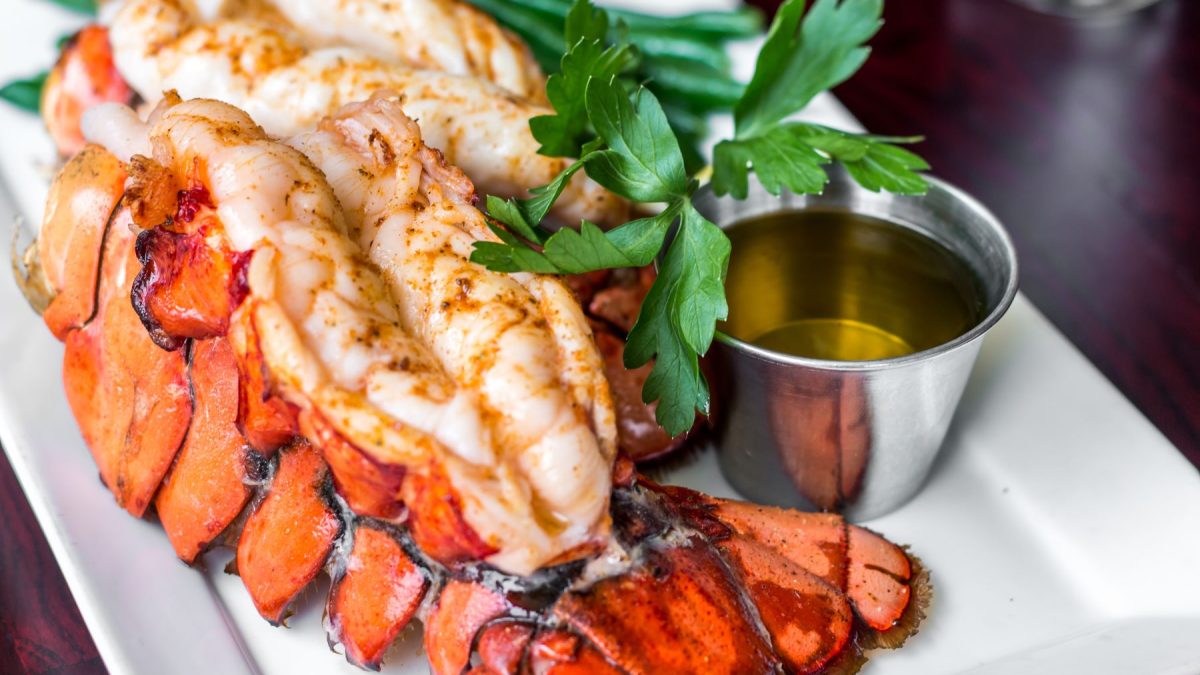
| Lobster tail | Intermediate | Broil, steam, butter baste | Plated dishes, mac and cheese, bisque |
For dishes that lean into rich, restaurant-style presentations, such as lobster mac and cheese, butter poached preparations, or plated entrees, using properly sourced lobster tail makes a measurable difference. Cold-water lobster holds its texture under heat better than lower-quality alternatives and does not require compensation through heavy seasoning or saucing.
Restaurant-Style Dishes That Work Well at Home
The best starting point is dishes that appear frequently on restaurant menus precisely because they are efficient and consistent. These are not simplified versions of complex preparations. They are legitimately what professional kitchens produce.
- Shrimp scampi: butter, garlic, white wine, and fast cooking time. The technique is the same in a restaurant kitchen as it is at home.
- Seared scallops: high heat, dry surface, 90 seconds per side. The result is a caramelized crust with a tender interior.
- Pan-seared salmon: skin-on fillet, hot pan, minimal seasoning. One of the most reliable proteins in any home kitchen.
- Crab cakes: the challenge is balance between binder and seafood. The right ratio produces a cake that holds together without tasting dense.
- Lobster mac and cheese: the richness of the base carries the dish. The lobster needs to be added late to avoid overcooking.
- Baked fish fillets: oven heat is more forgiving than stovetop. A reliable entry point for anyone new to cooking fish.
Cooking Techniques That Produce Professional Results
The reason restaurant seafood tastes consistent is not access to better equipment. It is that professional cooks repeat the same techniques until they become automatic. The techniques themselves are straightforward:
| Technique | How It Works | Best For |
| Pan searing | High heat, minimal oil, short cook time. Develops a crust on the surface without drying the interior. | Scallops, fish fillets, shrimp |
| Butter basting | Spoon hot butter over the protein as it cooks. Keeps the surface moist and adds richness. | Lobster tail, thick fish fillets, scallops |
| Oven baking | Even heat from all sides at a controlled temperature. Reduces the risk of overcooking. | Fish fillets, whole fish, crab-stuffed dishes |
| Broiling | Direct top-down heat. Fast and effective for creating browning on the surface. | Lobster tail, salmon, shrimp skewers |
| Poaching / steaming | Gentle heat in liquid or steam. Preserves moisture and natural texture. | Shellfish, delicate white fish |
Timing is the variable that matters most across all of these methods. Seafood is done when the flesh just turns opaque and offers slight resistance when pressed. Pulling it from heat at that point, rather than waiting until it looks completely firm, accounts for the residual heat that continues cooking the protein after it leaves the pan or oven.
Common Mistakes and How to Fix Them
Most problems with home seafood cooking trace back to a small set of avoidable errors. The table below covers the ones that come up most consistently:
| Mistake | What Goes Wrong | How to Avoid It |
| Overcooking | Dry, rubbery texture. Flavor becomes flat. | Pull from heat when just opaque. Residual heat finishes the job. |
| Over-seasoning | Masks the natural flavor of the seafood, which is usually the whole point. | Season lightly. Taste as you go. Let the protein speak. |
| Skipping the dry | Moisture on the surface prevents browning and causes steaming instead of searing. | Pat seafood dry with paper towel before any high-heat cooking. |
| Improper thawing | Texture breaks down. Excess moisture affects both searing and flavor. | Thaw overnight in the fridge. Avoid running under hot water. |
| Low-quality sourcing | Inconsistent texture, off flavors, and results that vary every time. | Buy from reputable suppliers. Cold-water species from known origins are more consistent. |
How to Plate and Serve It
Restaurant plating follows a simple logic: clarity over complexity. The seafood should be the obvious focal point, and everything else on the plate should support it without competing for attention.
A few practical principles:
- Keep portions proportional. A single large scallop plated cleanly reads better than four scallops crowded together.
- Use neutral bases. Pasta, rice, and roasted vegetables carry the dish without introducing competing flavors.
- Add garnish with a purpose. Fresh herbs, a wedge of lemon, or a light drizzle of oil all serve a function. Avoid garnishes that are purely decorative.
- Serve immediately. Seafood does not hold well. Texture and temperature both change quickly, and neither changes for the better.
- Keep plate edges clean. It is a small thing, but a clean rim makes the whole plate look more deliberate.
Why Ingredient Quality Matters More Than Technique
Technique can refine a dish. It cannot rescue a poor ingredient. Seafood that has been handled badly, thawed and refrozen, or sourced from inconsistent origins introduces variability that no amount of skill compensates for.
This is worth taking seriously because it explains why the same recipe produces wildly different results for different people. The cook with better ingredients almost always wins, regardless of relative experience level. Restaurant kitchens understand this, which is why supplier relationships and sourcing standards are treated as seriously as anything that happens at the stove. For home cooks looking for a reliable source of high-quality cold-water lobster, LobsterAnywhere is a strong option that delivers consistently good texture and flavor.
For home cooks, the practical implication is straightforward: buy the best seafood you can access, store it properly, and let the ingredient do most of the work. Lower-quality sourcing leads to compensating through heavier seasoning or richer sauces, which moves the dish further from the clean, direct profile that makes restaurant seafood worth replicating in the first place.
Building a Simple Seafood Rotation
Getting comfortable with seafood at home is partly a matter of repetition. A structured weekly rotation reduces the decision overhead and gives you enough practice with a small number of dishes to build real confidence.
A simple starting point:
- One fast midweek option: shrimp or scallops. Both cook in under ten minutes and work with a wide range of pantry ingredients.
- One oven-based dish: a baked fish fillet. Controlled heat, minimal attention required, consistent results.
- One elevated option occasionally: lobster, crab, or a more composed dish for when you have more time or want to make the meal the main event.
Staying within a small rotation initially also means you are cooking the same things enough times to understand how they behave. That familiarity is what eventually makes the whole process feel effortless rather than anxious.
Conclusion
The gap between restaurant seafood and home-cooked seafood is smaller than most people assume. It is not about professional-grade equipment, access to exclusive ingredients, or years of culinary training. It is about buying quality, applying simple techniques consistently, and knowing when to stop.
Start with one or two species, learn what done looks like, and resist the urge to add more when less is working. The best restaurant fish dishes are usually the simplest ones. That is not a coincidence. It is what makes them worth recreating at home.
Frequently Asked Questions
Is seafood hard to cook at home?
Not really, though it does require more attention to timing than something like a braise or a roast. Most seafood cooks in minutes rather than hours, which means the window between done and overdone is shorter. Once you know the visual cues — flesh turning opaque, slight firmness when pressed — the process becomes straightforward and repeatable.
What seafood is easiest for beginners?
Shrimp, salmon, and tilapia are the most forgiving starting points. Shrimp are hard to mess up because they signal doneness clearly by curling and turning pink. Salmon is stable under both pan and oven heat. Tilapia is mild, widely available, and cooks quickly without requiring much seasoning strategy.
How do restaurants cook seafood differently than home cooks?
Mostly through consistency and restraint rather than secret techniques. Restaurant cooks repeat the same preparations enough times that timing becomes intuitive. They also tend to season less aggressively and use higher heat than most home cooks feel comfortable with, particularly for searing. The equipment is sometimes better, but the underlying methods are the same ones available in any home kitchen.
How do you avoid overcooking seafood?
Pull it from heat sooner than you think you need to. Seafood continues cooking after it leaves the pan or oven, and the difference between perfectly cooked and overdone is often just thirty seconds of residual heat. As soon as the flesh turns opaque and feels slightly firm when you press it gently, it is done.
What is the best way to serve seafood at home?
Serve it immediately, keep the plate simple, and pair it with sides that support rather than compete with the main protein. Rice, pasta, and roasted vegetables all work well. The point is to let the seafood be the obvious focus of the dish rather than one component among several equally prominent elements.